A urinary tract infection refers to an infection in any part of the urinary system, including the kidneys, bladder, ureters, or urethra. This type of infection occurs when bacteria enter the urinary tract, which causes swelling, irritation, or pain. Dr. Samarth Agarwal, a Gold Medalist Urologist, offers the best UTI treatment in Siliguri by combining expert diagnosis with advanced care.
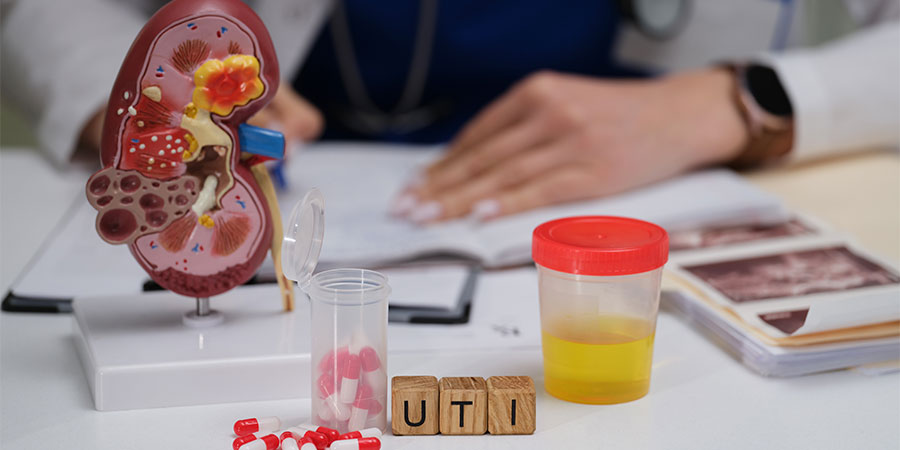
According to a research article by Pardeshi (2018), UTI prevalence in India is significantly higher in females than in males. This is primarily due to the short urethra and the absence of prostatic secretions in females. Pregnancy and easy contamination of the tract are also major causes.
What Makes Dr. Samarth Agarwal a Trusted Urinary Infection Doctor in Siliguri?
Expert Answers for Your Urological Health
Call for Consultation +91 92424 12697
Get expert care from Experienced Consultant Urologist & Uro-Surgeon in Siliguri
Dr. Samarth Agarwal has extensive experience in diagnosing and treating recurrent urinary tract infections, bladder infections, kidney stone-related infections, and complicated urological disorders. His evidence-based approach focuses on identifying and treating the root cause of infection to reduce the risk of recurrence and long-term complications. Here are the top reasons that make him a leading Urinary Infection Doctor in Siliguri:

High-Level Qualifications
He is an MBSS, MS, and MCh in Urology. In addition, he earned multiple gold medals in academics.

10+ Years of Surgical Experience
Over the years, he has earned an outstanding reputation for successfully executing complex urological and laparoscopic procedures.

Comprehensive UTI Treatment
He specializes in treating both standard and complex urinary tract infections, along with complex bladder conditions.

Patient-Centric Care
He is highly praised by his patients for his polite behavior and listening attitude. In addition, he does not follow a “one-size-fits-all” approach and designs personalized treatment plans for each patient.

Prioritizes Addressing the Root Cause
He expertly addresses the root cause that triggers urinary infections, such as kidney stones or enlarged prostates.

Global Recognition
He is a member of the American Urological Association (AUA) and the European Association of Urology (EAU), which ensures evidence-based practices and global safety standards.
What Causes Urinary Tract Infection?
According to a study by Flores-Mireles et al. (2016), Escherichia coli (E. coli) is responsible for around 70 - 80% of global UTIs. Urinary Tract Infections (UTIs) occur when microscopic bacteria enter the urinary tract through the urethra and multiply inside the bladder.
Here are the common causes of UTI:
Bacterial Entry
Bacteria from the skin or rectum enter the urethra and then move upward into the bladder or kidneys.
Poor Hygiene
Wiping from back to front after a bowel movement can drag fecal bacteria into the urethral opening.
Weakened Immune System
Chronic health conditions, such as diabetes, can reduce the body's natural ability to fight pathogens.
Sexual Activity
Intercourse can push external bacteria into the female urethra by creating pressure on the urinary tract.
Incomplete Bladder Emptying
Structural defects, chronic constipation, or nerve damage can hamper the ability of the bladder to empty. This creates a breeding ground for bacteria and germs.
Urinary Blockages
Conditions such as kidney stones or an enlarged prostate gland block the urinary pathway, which allows the bacteria to multiply rapidly.
Who Is At Risk of Developing a UTI?
Although anyone can develop a urinary tract infection, certain individuals are at a higher risk due to anatomical, hormonal, or medical factors. Understanding these risk factors can help with early prevention and timely treatment.
The following groups are more likely to develop UTIs:

Women
Women have a shorter urethra, making it easier for bacteria to reach the bladder.

Pregnant Women
Hormonal changes and pressure on the urinary tract during pregnancy increase the risk of infection.
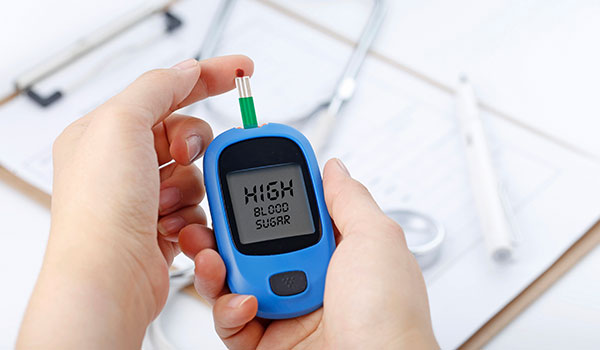
People with Diabetes
High blood sugar levels can weaken the immune system and promote bacterial growth.
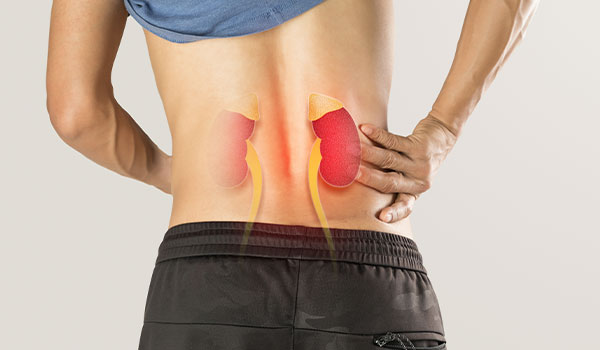
Patients with Kidney Stones
Kidney stones can obstruct urine flow and create an environment where bacteria can multiply.
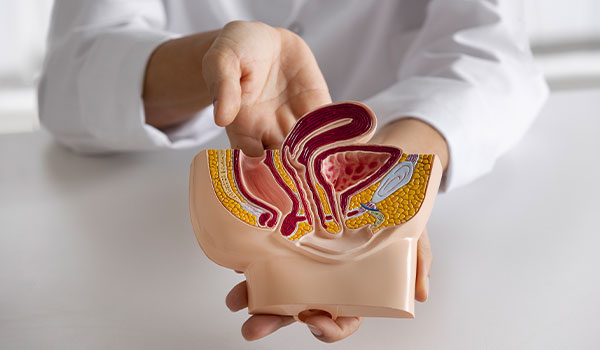
Men with Enlarged Prostate
An enlarged prostate may prevent complete bladder emptying, increasing the likelihood of infection.

Elderly Individuals
Age-related changes in bladder function and immunity can increase susceptibility to UTIs.
People with Urinary Catheters
Catheters can introduce bacteria into the urinary tract and raise the risk of infection.
Signs and Symptoms of Urinary Tract Infection
The signs and symptoms of UTI depend on which part of the urinary tract is infected. By knowing the common signs and symptoms, you can seek timely and effective medical intervention from the best urologist near you. Here are the symptoms that you need to watch out for:
Increased urinary frequency
Urinating much more than usual throughout the day and night.
Dysuria
A sharp, burning sensation during urination.
Blood in urine
Urine that appears bright pink or red due to the presence of blood cells.
Strong odor
Foul smell in the urine due to the presence of bacterial metabolic byproducts.
Pelvic pain
Pain or cramps in the center of the pelvis and around the pubic bone.
Gastrointestinal issues
Persistent nausea and episodes of vomiting due to systemic infection.
High fever and flank pain
Severe pain in the upper back or side, just below the ribs, accompanied by high fever.
How is a UTI Diagnosed?
As a top urologist in Siliguri, Dr. Samarth Agarwal uses a combination of symptom evaluation and laboratory analysis of the urine sample to diagnose a UTI. In addition, imaging and medical history evaluation are done as well.
Here is a detailed breakdown of how a UTI is diagnosed:

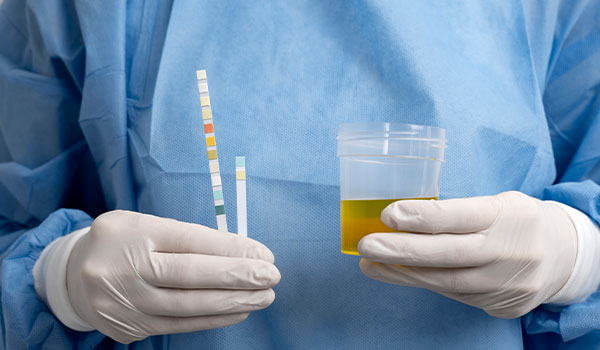
Urinalysis
This is a quick laboratory screening that checks the physical and chemical properties of your urine. This test helps in identifying white blood cells (leukocytes), red blood cells, and nitrites, which are chemicals produced by certain bacteria.
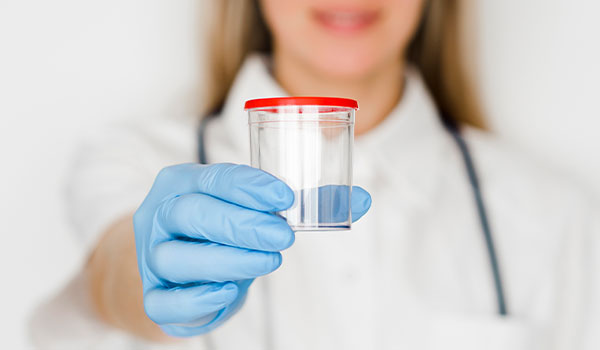
Clean-Catch Collection
This method is based on cleaning your genital area and collecting a midstream urine sample, which helps in determining whether the fluid is contaminated by bacteria or not.
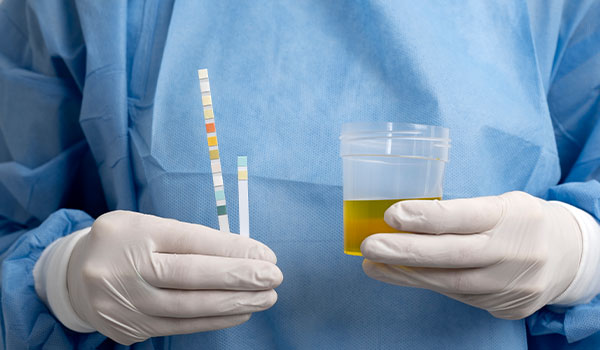
Urine Culture
This is the gold standard test that grows and identifies a specific strain of bacteria related to the occurrence of UTIs. The most significant advantage of this test is that it helps in determining the relevant antibiotic for killing the bacteria.
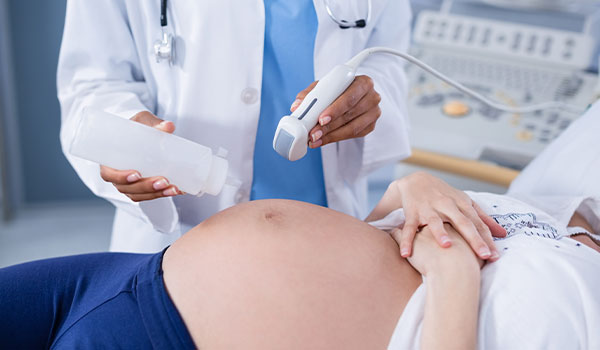
Ultrasound
This is an image test that uses sound waves to create pictures of your bladder and kidneys, so that blockages and structural abnormalities can be identified.
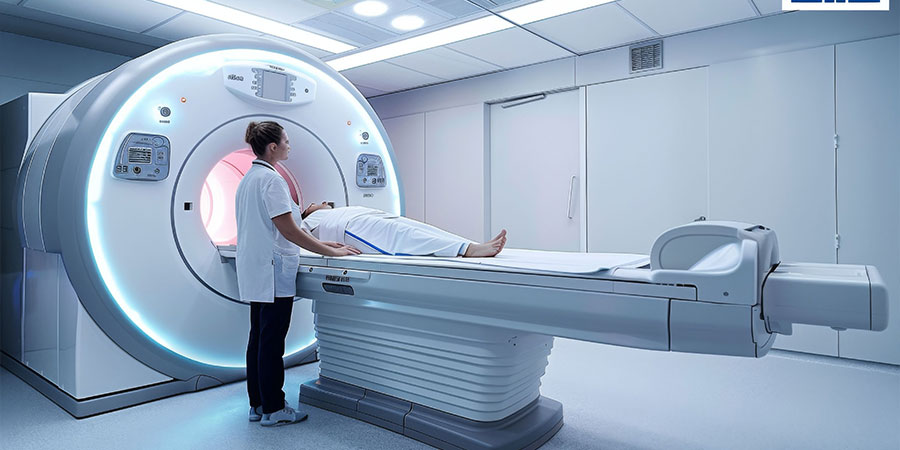
CT Scan
This is used for complicated or recurrent UTIs so that severe obstructions, deep kidney infections, or structural defects can be identified.
When To Seek Emergency UTI Treatment?
While many urinary tract infections can be treated effectively with medications, certain symptoms may indicate that the infection has spread to the kidneys or is causing serious complications. In such cases, immediate medical attention is necessary.
Seek urgent medical care if you experience:
- High fever along with urinary symptoms
- Chills or shaking
- Persistent nausea or vomiting
- Severe flank pain (pain in the sides or lower back near the kidneys)
- Blood in the urine
- Confusion, dizziness, or altered mental status, especially in elderly patients
- Difficulty passing urine
- Symptoms that rapidly worsen despite treatment
Early intervention can help prevent complications such as kidney infections, sepsis, or permanent kidney damage.


