Prostate conditions can range from manageable non-cancerous changes to serious diseases, which primarily affect the urinary and reproductive functions. Seeking timely and specialized treatments for prostate conditions is crucial to prevent irreversible kidney damage, avoid severe urinary tract infections, and dramatically increase survival rates if cancer is detected. Dr. Samarth Agarwal , a Gold Medalist Urologist and Uro Surgeon, is the best prostate specialist in Siliguri, with specialization in Benign Prostatic Hyperplasia (BPH), laser surgeries, and minimally invasive urology.

Why Choose Dr. Samarth Agarwal For Prostate Treatment in Siliguri?
Expert Answers for Your Urological Health
Call for Consultation +91 92424 12697
Get expert care from Experienced Consultant Urologist & Uro-Surgeon in Siliguri
Choosing a reliable specialist for prostate treatment holds tremendous significance because the prostate gland directly impacts vital functions like urination, fertility, and sexual wellness. In addition, accurate diagnosis of prostate conditions helps rule out serious conditions like prostate cancer. Dr. Samarth Agarwal is widely regarded as the best prostate doctor in Siliguri with over 10 years of specialized experience. Dr. Samarth Agarwal has extensive experience in diagnosing and treating enlarged prostate (BPH), prostatitis, prostate cancer, urinary obstruction, and other prostate-related disorders using evidence-based and minimally invasive techniques.
Here are the top reasons to choose him:

Excellent academic background
His qualifications include MBBS, MS, and MCh in Urology (Gold Medalist). In addition, he has won multiple gold medals during his MBBS tenure.

Expertise in minimally invasive procedures
He specializes in advanced, pain-reduced interventions such as Laser-assisted TURP (Transurethral Resection of the Prostate) and endourology.

Proven surgical track record
He has successfully operated on over 3,000 complex cases involving advanced urology, laparoscopy, and modern laser procedures.

Patient-centric approach & empathetic care
He does not follow a “one-size-fits-all” approach. Therefore, he designs personalized treatment plans based on individual prostate conditions, which ensures safe and effective outcomes.

Easy accessibility
He practices at Maxwell Hospital & Research Centre, which is centrally located at Jyoti Nagar, near Don Bosco School, Siliguri - 734001. This is a multi-specialty hospital with world-class infrastructure, which offers comprehensive treatments for almost every health issue, including prostate conditions.
Types of Prostate Conditions
The treatment of prostate conditions depends on the type and severity of the symptoms. There are mainly 3 types of prostate conditions, which are categorized as follows:
Prostatitis
This is an inflammation or infection of the prostate gland, which can affect men of all age groups. This condition is divided into four subcategories, namely Acute Bacterial Prostatitis, Chronic Bacterial Prostatitis, Asymptomatic Inflammatory Prostatitis, and Chronic Prostatitis.
Benign Prostatic Hyper Hyperplasia (BPH)
This condition is also known as an “enlarged prostate”, which is a non-cancerous growth of the prostate gland. According to a study by Reddy et al. (2024), an estimated 18 - 20 million men in India live with BPH. Generally, this condition develops after the age of 50 in men.
Prostate Cancer
This condition occurs when malignant cells form and multiply abnormally within the prostate tissue. Prostate cancer stands as one of the most prevalent cancers in men globally, particularly those over the age of 50.
Common Signs and Symptoms of Prostate Conditions
Since the prostate gland surrounds the urethra, the majority of prostate conditions lead to changes in how an individual urinates. Some of the major signs and symptoms that require a visit to a trusted prostate specialist in Siliguri are:
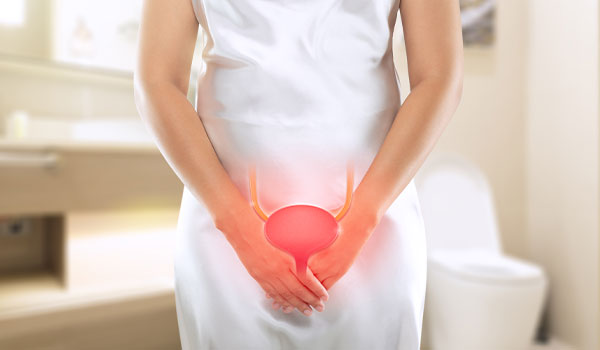
Obstructive Urinary Symptoms
Obstruction in urination generally occurs when an enlarged or swollen prostate physically squeezes the urethra. The prominent symptoms of obstruction are weak urine stream, interruption, straining, and dribbling.
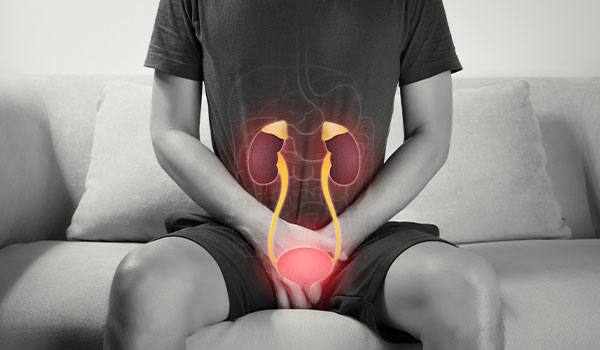
Irritative Urinary Symptoms
Irritation while urinating occurs when a prostate condition irritates the bladder wall or prevents the bladder from emptying fully. The prominent symptoms of irritation are high frequency to urinate, nocturia, urgency, and incomplete emptying.

Pain and Discomfort
Although pain is a major characteristic of prostatitis, it can also be caused by other prostate conditions. Some of the common pain symptoms related to prostate conditions are pelvic pain, dysuria, and painful ejaculation.
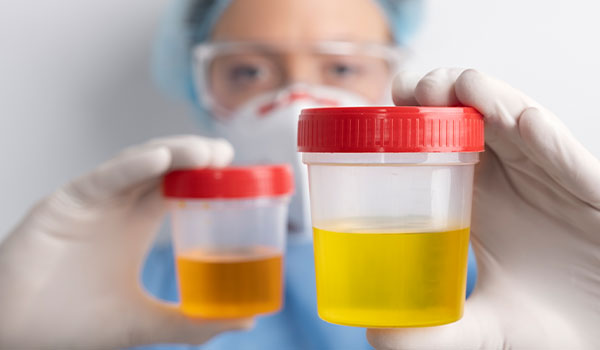
Red Flag Symptoms
Severe infection, structural damage, or advanced prostate cancer can lead to severe red flag symptoms, including blood in the semen, acute urinary retention, blood in the urine, difficulty in urinating, and unexplained weight loss.
How Are Prostate Conditions Diagnosed?
As a leading prostate specialist in Siliguri, Dr. Samarth Agarwal uses a combination of medical history evaluation, physical examination, and advanced diagnostic tests to accurately identify prostate conditions. The diagnosis process helps determine the exact cause of symptoms and guides the most effective treatment plan.
Here is a detailed breakdown of how prostate conditions are diagnosed:
Medical History Evaluation
A detailed assessment of urinary symptoms, family history of prostate disorders, existing medical conditions, and overall health is conducted to identify potential risk factors.
Digital Rectal Examination (DRE)
This is a physical examination in which the prostate gland is assessed for enlargement, tenderness, hard areas, or other abnormalities.
PSA Blood Test
The Prostate-Specific Antigen (PSA) test measures the level of PSA in the blood, which helps detect prostate enlargement, inflammation, or possible prostate cancer.
Ultrasound
This imaging test uses sound waves to evaluate the size of the prostate gland, assess bladder function, and identify urinary retention or structural abnormalities.
MRI or Advanced Imaging
Advanced imaging techniques may be recommended when prostate cancer, complex prostate conditions, or other significant abnormalities are suspected.
How To Prevent Prostate Conditions?
Preventive measures can significantly reduce the risk of developing Benign Prostatic Hyperplasia (BPH), prostatitis, and prostate cancer. Here are some of the most effective preventive measures that you can follow:

Adopt a prostate-friendly diet
Cooked tomatoes, fatty fish, broccoli, cauliflower, and cabbage are some excellent foods that help reduce inflammation in the prostate gland. In addition, you need to limit intake of red and processed meats.

Maintain a healthy body weight
Aim for at least 30 minutes of daily exercise, which includes brisk walking, cycling, or running. In addition, you need to reduce belly fat because excessive visceral fat increases the risk of BPH and metabolic changes that affect the prostate.

Stay hydrated and manage your fluids
By keeping yourself hydrated, you can flush out bacteria from the urinary tract, which in turn reduces the risk of prostatitis. In addition, you need to limit alcohol and caffeine because they irritate the bladder.

Schedule regular clinical screenings
If you have a family history of prostate cancer, regular prostate screening after the age of 40 is highly recommended. For people aged 50 and above, even without a family history of prostate conditions, routine prostate screening is highly recommended.


