Urinary incontinence is the involuntary leakage of urine, which occurs when a person loses control of their bladder. This condition can trigger social anxiety, social isolation, and embarrassment. Dr. Samarth Agarwal, a Gold Medalist Urologist and Uro Surgeon, offers the best urinary incontinence treatment in Siliguri.
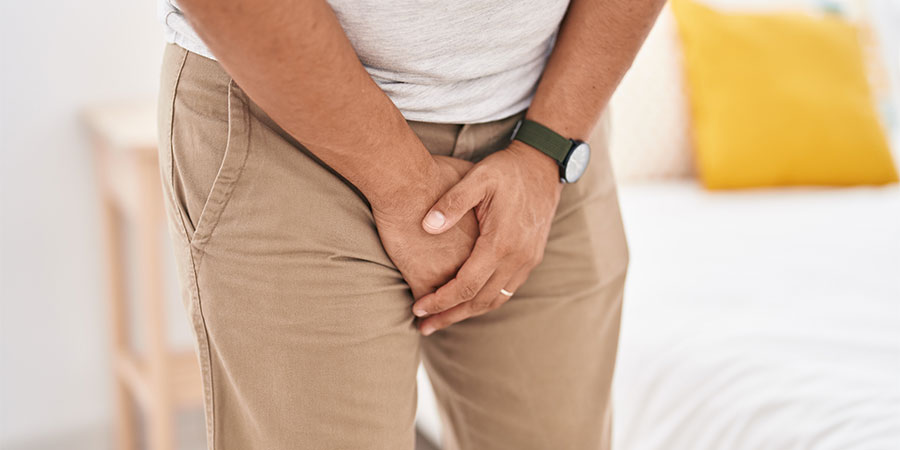
According to a study by Tranapani et al. (2024), an estimated 21.5% of the world's population experiences at least one form of urinary incontinence. Many people do not report this problem due to shame or embarrassment, which leads to severe underdiagnosis, delayed medical treatment, and a significantly reduced quality of life.
Why Choose Dr. Samarth Agarwal for Urinary Incontinence and Urine Leakage Treatment in Siliguri?
Expert Answers for Your Urological Health
Call for Consultation +91 92424 12697
Get expert care from Experienced Consultant Urologist & Uro-Surgeon in Siliguri
When choosing a specialist for urine leakage treatment in Siliguri, look for a doctor who holds a DNB or MCh in Urology. This is because it determines the safety and success of your treatment. Dr. Samarth Agarwal (MBBS, MS, and MCh in Urology) offers both conservative medical management and cutting-edge surgical interventions for overactive bladder and bladder dysfunction symptoms. Dr. Samarth Agarwal has extensive experience in diagnosing and treating a wide range of urological disorders, including urinary incontinence, enlarged prostate, kidney stones, and bladder dysfunction. His evidence-based approach ensures that patients receive accurate diagnoses and personalized treatment plans tailored to their condition.
Here are the top reasons to choose him for urinary incontinence treatment:

A Gold Medalist
He is a gold medalist in MCh Urology, which highlights his knowledge and expertise in terms of treating urology conditions.

Advanced technology and procedures
He uses state-of-the-art technology and minimally invasive treatment procedures to treat underlying conditions triggering urinary incontinence.

Compassionate and patient-centric care
He is renowned for his polite and patient-centric approach. Therefore, patients receive personalized treatment for urinary issues.

Global Exposure
He is a member of the American Urological Association (AUA) and the European Association of Urology (EAU). Thus, the diagnosis and treatment he provides are world-class.
Symptoms of Urinary Incontinence
The symptoms of urinary incontinence can vary depending on the type and severity of the condition. While some individuals experience occasional urine leakage, others may struggle with frequent loss of bladder control that affects their daily activities and quality of life.
Common symptoms of urinary incontinence include:
- Accidental urine leakage
- Sudden and strong urge to urinate
- Frequent urination throughout the day
- Difficulty holding urine until reaching a toilet
- Nighttime urination (Nocturia)
- Feeling of incomplete bladder emptying
- Dribbling of urine after urination
- Leakage before reaching the restroom
- Leakage while coughing, sneezing, laughing, or exercising
Types of Urinary Incontinence
The most common sign of urinary incontinence is involuntary leakage of urine, which can range from minor dripping to complete loss of bladder control. However, the type of urinary incontinence differs based on underlying physical and neurological causes.
Here are the most common types of urinary incontinence:

Urge incontinence
This is caused by an overactive bladder muscle that triggers an intense, sudden need to urinate. Urine leakage occurs before you reach the restroom in urge incontinence.

Stress incontinence
This is caused by weakened pelvic floor muscles, which lead to leakage due to physical pressure on the bladder. Activities such as coughing, laughing, sneezing, or exercise can cause leakage during stress incontinence.

Functional incontinence
This is caused by cognitive or physical barriers rather than the urinary tract. Health conditions, such as Alzheimer’s or arthritis, can prevent an individual from reaching the toilet in time.

Overflow incontinence
This is caused by a bladder that does not empty due to obstructions, such as an enlarged prostate or weak bladder muscles. Dr. Samarth Agarwal offers effective enlarged prostate treatment to address frequent dribbling or leaking issues.
Advanced Urine Leakage Treatment in Siliguri
If you experience any symptoms related to urine leakage regularly, it is important to consult a qualified urologist. Early diagnosis and treatment can help identify the underlying cause and improve bladder control, preventing the condition from affecting your daily life. Depending on the cause and severity of the condition, treatment may include lifestyle modifications, bladder training, pelvic floor rehabilitation, medications, minimally invasive procedures, or advanced surgical interventions. Early treatment can help restore bladder control, improve confidence, and enhance overall quality of life.
You can book an appointment by calling Dr. Samarth Agarwal's dedicated appointment booking number +91 92424 12697.
Contributing Factors to Urinary Incontinence
By knowing the contributing factors to urinary incontinence, you can take preventive measures. Remember that “prevention is better than cure”. However, certain natural biological factors can lead to urinary incontinence as well, which requires prominent treatment.
Here are the major contributing factors to urinary incontinence:

Ageing
With age, the bladder muscle and pelvic floor tend to naturally lose strength. Therefore, the bladder loses its capacity, which in turn increases the risk of involuntary leakage.
Prostate Issues
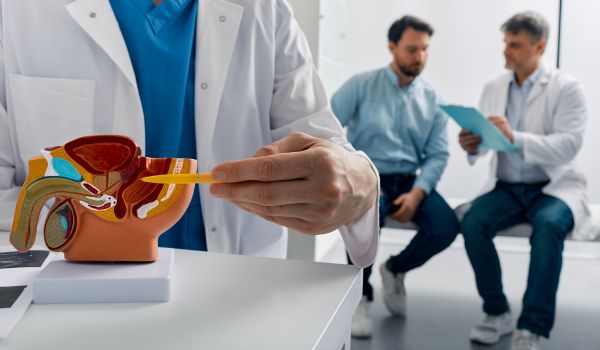
An enlarged prostate or prostate surgery is a leading contributor to urinary incontinence in men.

Obesity
Extra bodyweight creates persistent pressure on the bladder, along with weakening the supporting muscles. This leads to urine leakage while sneezing and coughing.
Diabetes
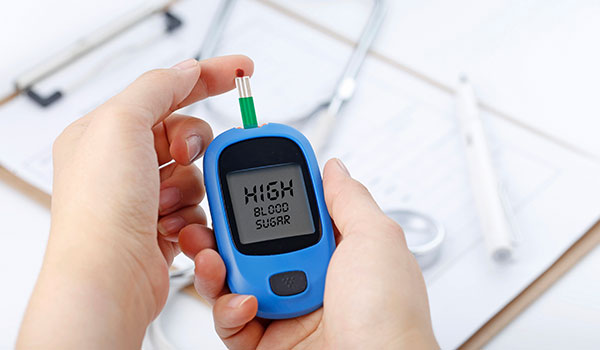
Long-term uncontrolled diabetes can damage the nerves controlling the bladder, which leads to urine leakage or dripping.

Diet & Beverages
High consumption of caffeine, acidic foods, and alcohol acts as a natural diuretic and stimulates the bladder.

Neurological Disorders
Diseases like Parkinson's disease, Multiple Sclerosis, or other factors affecting the nerves can disrupt the signal required for proper bladder control.
How Urinary Incontinence Is Diagnosed?
Urinary Incontinence is diagnosed based on a combination of medical history and physical examination. A renowned Urologist accurately determines the exact type and underlying cause of the leakage or incontinence by the following procedures:
Medical history assessment
Detailed questions about your symptoms, lifestyle, medications, and overall health history are asked. In addition, you might be recommended to keep a diary for a few days to track your fluid intake.
Physical examination
The abdomen, neurological system, and overall physical health are checked. For women, pelvic floor muscles, the vagina, and supporting tissues are checked. On the other hand, for men, a digital rectal exam is performed to check for an enlarged prostate or other rectal abnormalities.
Diagnostic tests
A urine and blood test is carried out to check for underlying conditions causing urine incontinence. In addition, you will be asked to cough or bear down while your bladder is full to see if physical strain causes you to leak urine.
Advanced testing
This is done only when necessary. Generally, ultrasounds are used to create images of the kidneys, bladder, and urethra so that physical abnormalities can be detected.

When To Seek Emergency Urinary Incontinence Treatment?
You should seek emergency medical care from a top urologist near you if your urinary incontinence is accompanied by neurological warning signs. Although occasional urine leakage can be treated during standard clinical visits, certain nerve compression or blockages require immediate medical intervention:
Neurological emergency
A sudden loss of bladder control can indicate severe nerve compression at the base of your spinal cord. Emergency clinical intervention is required when the leakage occurs, along with sudden numbness or weakness in the legs, buttocks, or inner thighs.
Inability to urinate
Unable to urinate when your bladder feels full, along with severe pain in the lower abdomen or pelvic region. In addition, a swollen, tender, or hard lower abdomen is a major warning sign as well.
Blood in urine
In some cases, a severe Urinary Tract Infection (UTI) may spread to the kidneys or bloodstream if left untreated, requiring urgent medical attention. You must rush to a urologist when urinary incontinence is accompanied by bright red or dark pink urine.
Post-traumatic incontinence
A sudden loss of bladder control after a severe fall, a car accident, or injury requires immediate medical intervention. This incontinence is caused by a direct blow to the back or the pelvic area.


