When you have kidney stones that exceed 10 mm in size, surgery becomes a necessity. Thinking about undergoing surgery for a kidney stone can be intimidating. To address this concern, Dr. Samarth Agarwal, a Gold Medalist Urologist & Uro Surgeon, offers safe and minimally invasive kidney stone surgery in Siliguri. He uses advanced techniques, such as URS, RIRS, and PCNL, to ensure highly successful and generally painless surgery.
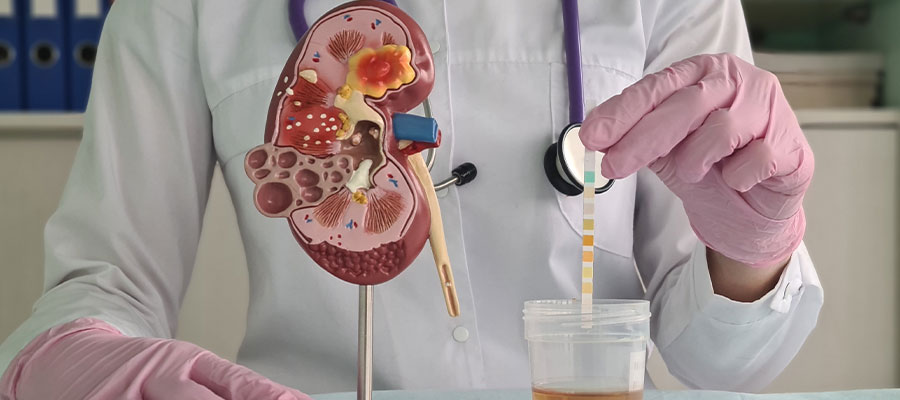
Why Choose Dr. Samarth Agarwal For Kidney Stone Removal Surgery?
Expert Answers for Your Urological Health
Call for Consultation +91 92424 12697
Get expert care from Experienced Consultant Urologist & Uro-Surgeon in Siliguri
Choosing a trusted urologist or kidney stone specialist is crucial for kidney stone surgery. This is because it ensures an accurate diagnosis, the selection of the most appropriate minimally invasive procedure, and minimizes the risk of complications. Dr. Samarth Agarwal is a gold medalist in urology who has performed more than 3,000 successful operations.
Here are the top reasons to choose him for kidney stone removal surgery in Siliguri:

Global Exposure
He is an active member of the American Urological Association (AUA), the European Association of Urology (EAU), and the Urological Association of Asia (UAA).


Patient-Centric Care
He designs a personalized surgical plan for each patient depending on the stone location and size. In addition, he offers counseling to patients and their families to alleviate anxiety.

Fast Recovery
His focus on using advanced techniques promotes minimal pain, no visible scarring, and next-day discharge.

Easy Accessibility
He practices at Maxwell Hospital & Research Centre, which is centrally located at Jyoti Nagar, near Don Bosco School, Siliguri - 734001. This is a multi-specialty hospital with world-class infrastructure, which offers comprehensive treatments for almost every health issue.
Signs and Symptoms That Indicate the Requirement for Kidney Stone Surgery
Ignoring progressive symptoms of kidney stone can lead to permanent kidney damage or life-threatening infections. Therefore, knowing the relevant signs and symptoms can help seeking accurate diagnosis and timely surgical intervention.
Here are some of the common symptoms that indicate the requirement for kidney stone removal surgery:
Persistent, Severe Pain
Severe, sharp pain in the back, side, or lower abdomen that does not go away with prescribed pain medications.
Blood in Urine
Pink, red, or brown urine can be due to a stone actively tearing the internal lining of the urinary tract.
Recurrent Urinary Tract Infections (UTIs)
Frequent, painful UTIs that keep coming back, potentially due to a trapped stone creating a haven for bacteria.
Inability to Pass Urine
A sudden stoppage of urine or weakening of the urine flow can be an indicator that a large stone is blocking the ureter.
Foul-Smelling Urine
If the urine has a foul smell, it can be due to the presence of pus and active bacterial accumulation caused by a large stone.
Cost of Kidney Stone Surgery in Siliguri
The cost of kidney stone surgery in Siliguri depends on the surgical procedure used and the expertise of the doctor. By knowing the estimated cost of the different types of surgical procedures for kidney stone removal, you can evaluate your insurance coverage and plan your finances.
Here is a cost breakdown of the different surgical procedures:
| Surgery Name | Estimated Cost |
|---|---|
| Ureteroscopic Lithotripsy (URSL) | INR 50,000 - 90,000 |
| Shockwave Lithotripsy (ESWL) | INR 40,000 - 70,000 |
| Percutaneous Nephrolithotomy (PCNL) | INR 90,000 - 1,50,000 |
| Retrograde Intrarenal Surgery (RIRS) | INR 1,20,000 - 1,90,000 |
Note: The prices mentioned are an estimate. You can gain an accurate cost after a complete evaluation of your kidney stone. In addition, the surgical procedure to be performed is determined after a detailed health evaluation. For booking an appointment with Dr. Samarth Agarwal for a comprehensive kidney stone evaluation, you can call +91 92424 12697.
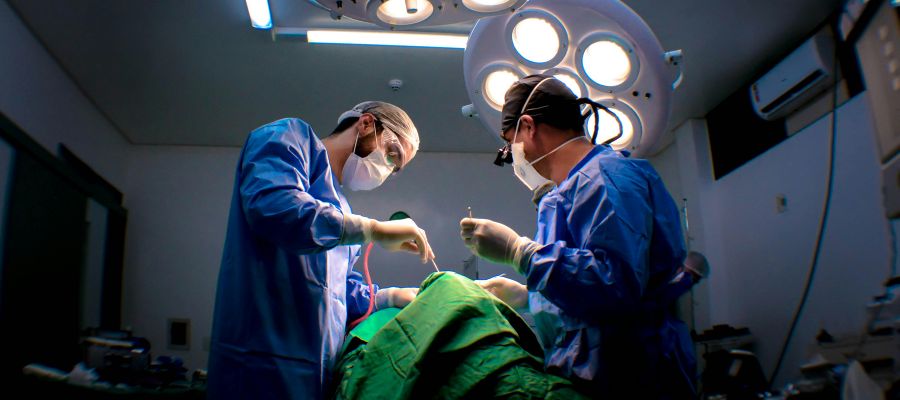
Step-By-Step Guide of Kidney Stone Removal Surgery
It is natural for anyone to feel anxious and worried before any surgery due to unfamiliarity with the steps involved. By knowing the steps involved before, during, and after kidney stone removal surgery in Siliguri, you can remain calm and prepared throughout the surgical procedure.
Here are the steps generally involved in kidney stone surgery:
Pre-Operative Preparation & Evaluation
Diagnostic imaging is performed using ultrasounds or high-resolution CT Scans. In addition, specific blood tests and Chest X-Rays are done to assess heart and lung health.
Anesthesia Administration
Depending on the type of surgical procedure to be performed, either general anesthesia or spinal anesthesia is administered.
The Surgery
In this step, the stone is assessed by using a flexible ureteroscope through the urethra and bladder. After that, a microscopic Holmium or Thulium laser fiber delivers high-frequency pulses to break the stone into dust or small fragments.
Lastly, the larger pieces are pulled out manually using tiny, specialized retrieval baskets, while the remaining micro-dust is left to wash out naturally with your urine.
Post-Anesthesia Recovery
2 to 4 hours of continuous monitoring is ensured as the effects of the anesthesia reduce. In addition, a temporary urinary catheter may be kept in the bladder for a few hours to monitor urine output and color.
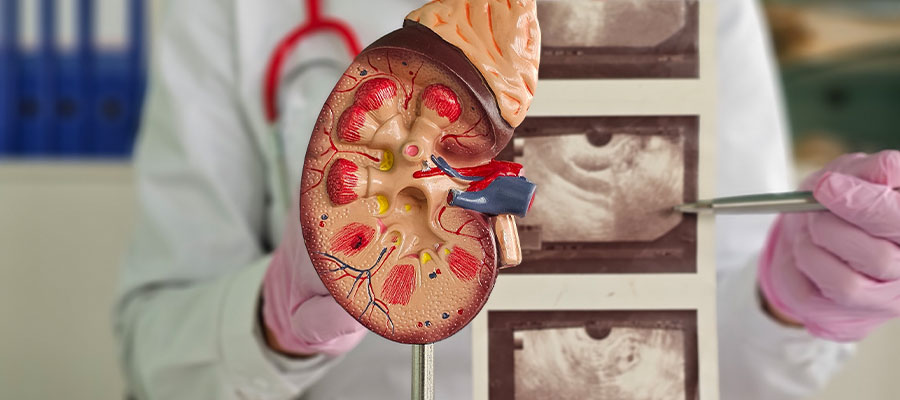
Recovery After Kidney Stone Surgery
Recovery after kidney stone surgery depends on the type of procedure performed and the overall health of the patient. As Dr. Samarth Agarwal focuses on minimally invasive techniques, most patients experience a faster recovery and can return to their routine activities within a few days.
First 24 Hours
Mild discomfort while urinating, slight blood in the urine, and increased urinary frequency are common after surgery. Patients are advised to rest and drink plenty of fluids during this period.
First Week
Most patients can resume their normal daily activities within a few days. However, heavy lifting and strenuous physical activities should be avoided until advised by the doctor.
Return to Work
Patients who undergo procedures such as RIRS, URSL, or laser kidney stone surgery can generally return to desk-based work within 2 to 3 days. Recovery may take longer for physically demanding jobs.
Diet After Surgery
Drinking 2.5 to 3 litres of water daily is important after surgery. Patients are also advised to reduce excess salt intake, avoid processed foods, and follow dietary recommendations provided by the doctor to prevent future stone formation.


