Kidney stones are salt and mineral deposits that are formed due to metabolic imbalance, dehydration, and dietary factors. The size of kidney stones can vary from microscopic crystals to the size of a golf ball. The treatment for kidney stones depends on their size and location. Dr. Samarth Agarwal, a Gold Medalist Urologist and Uro Surgeon, is the best kidney stone specialist in Siliguri with a high focus on precision, minimal pain, and faster recovery.
What Makes Dr. Samarth Agarwal A Trusted Choice for Kidney Stone Treatment?
Expert Answers for Your Urological Health
Call for Consultation +91 92424 12697
Get expert care from Experienced Consultant Urologist & Uro-Surgeon in Siliguri
Dr. Samarth Agarwal has more than 10 years of experience in combining top-tier medical expertise with advanced, minimally invasive technology to deliver safe and highly effective kidney stone treatment. In addition, his exceptional clinical credentials and a patient-focused approach make him stand out.
Here are the top reasons that make Dr. Samarth Agarwal the best kidney stone specialist in Siliguri:


State-of-the-Art Technology
He utilizes high-powered 100W Holmium laser systems to safely pulverise complex kidney stones without requiring traditional open surgery.

Faster Patient Recovery
His focus on using minimally invasive techniques reduces bleeding risks, along with ensuring a quick return to daily activities.

Holistic Treatment Support
Alongside treatment, he focuses on alleviating anxieties in patients by clearly explaining what to expect before, during, and after surgery.
Non-Surgical Kidney Stone Removal Options
Non-surgical kidney stone removal depends on the size and composition of the stone. In the majority of cases, Many kidney stones smaller than 5 mm may pass naturally, although passage depends on size, location, and individual patient factors. On the other hand, for kidney stones between 5 mm and 10 mm in size, prescription medications can help.
Here are the different non-surgical kidney stone removal options offered by Dr. Samarth Agarwal:
Oral Dissolution Therapy
This targets uric acid stones by using alkalinizing agents, which help in chemically dissolving the stone.
Dietary Adjustments
This is based on reducing intake of high-oxalate foods and sodium so that the structural growth of active stones can be halted.
Extracorporeal Shock Wave Lithotripsy (ESWL)
This uses high-energy acoustic shock waves from outside the body to fracture kidney stones into fine, sand-like grains that pass naturally through the urine.
Aggressive Hydration Therapy
Enough fluid intake to produce approximately 2.5 litres of urine daily so that a constant hydrostatic pressure within the renal system can be maintained. Therefore, smaller stones can be pushed downward.
When Is Surgical Kidney Stone Removal Required?
Surgical kidney stone removal becomes necessary when a stone is too large to pass naturally or when it poses an immediate threat to your kidney function and overall health. Here are some of the key triggers that make surgical kidney stone removal a necessity:
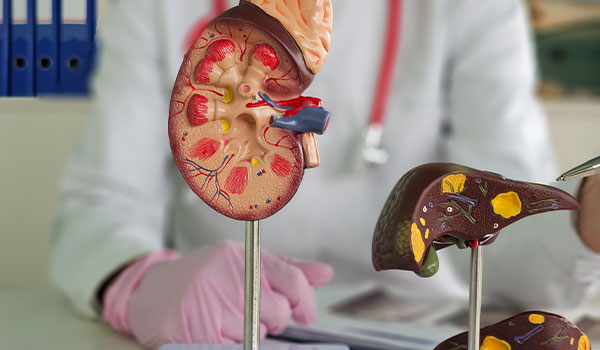
Large Stone Size
The stone is more than 10 mm in size, which can rarely pass on its own.
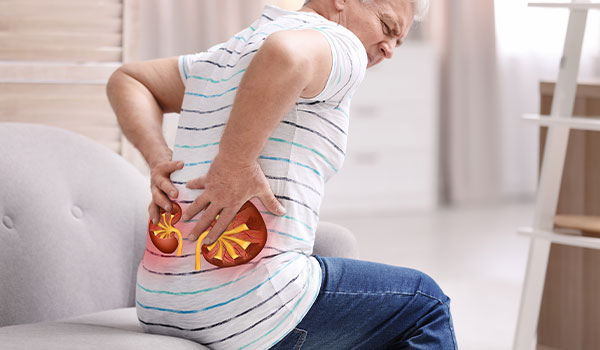
Progressive Kidney Damage
Declining renal function or prolonged blockages that threaten to permanently impair the affected kidney.

Persistent Severe Pain
Experiencing severe pain despite strong prescription medications or painkillers.
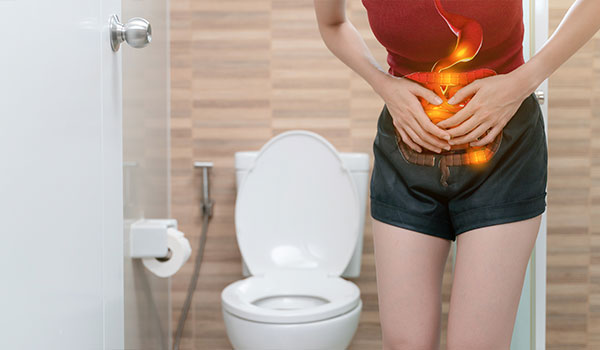
Recurrent Urinary Infections
Trapped kidney stones can cause repeated urinary tract infections (UTIs) or life-threatening systemic sepsis due to the creation of a haven for bacteria.
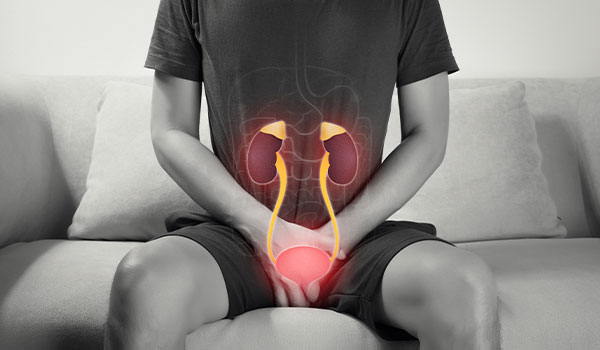
Urine Blockage and Swelling
A stone that completely blocks urine flow and causes severe kidney swelling.
What Does A Kidney Stone Specialist Do?
A kidney stone specialist manages the entire spectrum of stone disease through precise diagnostics, targeted medical therapies, and advanced surgical interventions. Here is a comprehensive list of the core responsibilities performed by such a specialist:
Comprehensive Diagnostic Mapping
They utilize advanced imaging, such as low-dose CT scans and ultrasounds, to pinpoint exact stone size, location, and structural density.
Metabolic and Chemical Evaluation
They conduct urine collections and blood tests to analyze calcium, oxalate, and uric acid levels to identify why your body forms stones.
Prescription of Targeted Medications
They administer specialized drugs to alter urine chemistry, dissolve certain stone types, or relax ureter muscles to help stones pass naturally.
Advanced Surgical Intervention
They perform precise, minimally invasive procedures like RIRS (laser surgery) or Mini-PCNL to break down or extract large stones.
Preventive Counseling and Guidance
They design customized dietary frameworks and fluid-intake protocols based on your specific stone composition to prevent recurrent kidney stones.


