
A man may start looking for help when frequent nighttime bathroom trips begin to disturb his sleep and daily routine or when he notices a little pain or discomfort while urinating. These symptoms may sometimes be linked to an enlarged prostate, making it important to consult a prostate doctor in Siliguri who can help identify the cause and guide him towards the right treatment.
The initial signs of an enlarged prostate-
- The hesitation to start peeing,
- The frequent urge to go,
- The sense that the bladder was never fully emptied
All these reasons may wreak havoc on the quality of sleep, among other effects. For this reason, men are often quick to ask whether prostate enlargement requires surgery. While surgery is an option, there are other available treatments.
What is Prostate Enlargement?
The prostate is a small gland below the bladder and around part of the urethra, the tube that carries urine out of the body. As men age, the prostate can gradually become larger. This condition is known as benign prostatic hyperplasia, or BPH.
BPH is common among older men. As the prostate grows, it puts pressure on the urethra and affects normal urine flow.
Common Symptoms include:
- Difficulty starting urination
- A weak or interrupted urine stream
- Frequent urination,
- Waking several times at night to urinate
- A sudden urge to urinate
- Feeling that the bladder has not completely emptied
- Dribbling after urination
Does Every Enlarged Prostate Need Treatment?
Treatment depends mainly on symptom severity and its effect on daily life. Men with mild symptoms may benefit from regular monitoring and lifestyle changes.
Doctors sometimes recommend watchful waiting, which means tracking symptoms through regular follow-ups.
Reducing fluids close to bedtime, limiting caffeine and alcohol, staying active, and allowing enough time to empty the bladder may help some men. These habits may improve urinary comfort.
Are there medications that can help with an enlarged prostate?
Medication is a common non-surgical option for managing BPH symptoms. Some medicines relax the muscles around the prostate and bladder outlet, helping urine pass more easily. They may improve a weak stream, difficulty starting urination, and frequent bathroom visits.
Other medicines work gradually by reducing prostate size. They may also lower the risk of Urinary retention.
The choice of medicine depends on prostate size, symptoms, age, general health, and other medications. Some drugs may cause dizziness, blood-pressure changes, or sexual side effects, so treatment should be guided by a doctor.
What Does Enlarged Prostate Treatment Involve?
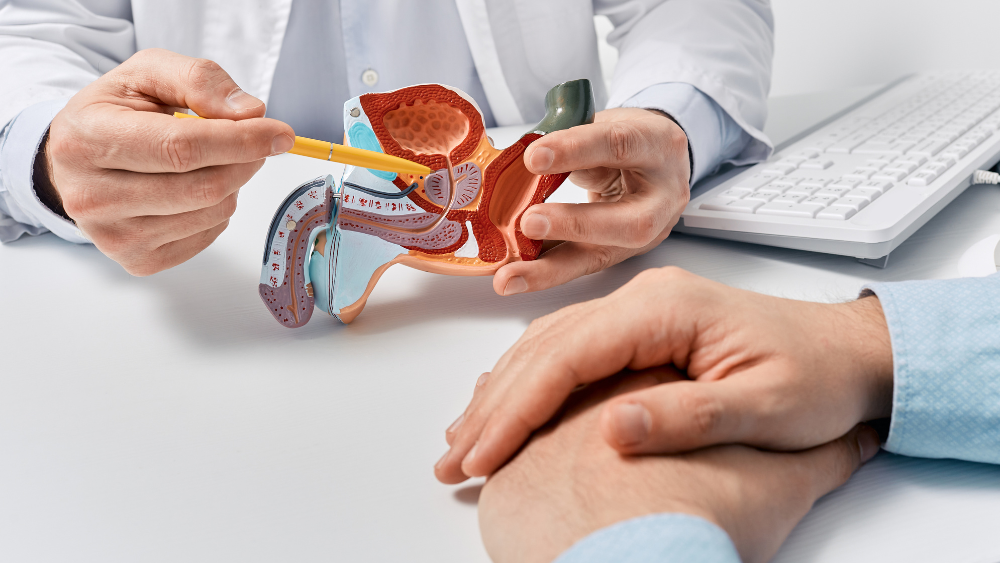
For men considering Enlarged Prostate treatment in Siliguri, a proper assessment is usually the first step. The doctor may ask about urinary symptoms, their duration, medical history, and current medications.
Depending on the situation, tests may include a urine examination, blood tests, prostate examination, ultrasound, or other investigations. These help identify the cause of symptoms and assess prostate and bladder function.
After reviewing the test results, the doctor may advise an individual treatment plan. Some men may need observation and lifestyle changes, while others can get relief from medication. A surgical procedure may be advised when symptoms become troublesome, or complications appear.
When Is a Procedure Considered?
A Procedure may become necessary when symptoms significantly affect your quality of life or when other treatments provide insufficient relief. Doctors may also consider an intervention when complications develop.
Repeated urinary retention, recurrent urinary infections, bladder problems, or significant bleeding can indicate a need for more immediate and rigorous treatment. The decision depends on symptoms, test results, overall health, and response to treatment.
Prostate size alone does not determine whether a procedure is needed.
Can an enlarged prostate be cured permanently without Surgery?
The answer is: it depends. While some medications can effectively reduce prostate size, not all prostate enlargement drugs provide this benefit. On the other hand, medication can significantly reduce the symptoms of an enlarged prostate. Lifestyle changes generally do not impact the size of the prostate, but they can help relieve some symptoms.
Some men are perfectly fine living with an enlarged prostate and never seek treatment, but others may require surgery to improve their quality of life. Thus, our focus should be on finding the safest and most effective treatment, rather than avoiding surgery at all costs.
When to Consult a Doctor?
Changes in the urinary tract can often be subtle and gradual, with symptoms that seem to be a normal part of aging.
However, it is always best to consult a medical professional if a man experiences any of the following issues regularly:
- Waking up more than once at night to urinate
- Delayed onset of urination
- Weak stream of urine
- Feeling that the bladder was not emptied after peeing
These are all symptoms of an enlarged prostate, but a qualified prostate specialist in Siliguri is best suited to establish a definitive diagnosis.
Why is Getting Evaluated by a Specialist Important?
Persistent Urinary Changes deserve attention, particularly when they disturb sleep or daily activities. A consultation can be useful if you regularly wake several times a night to urinate, have difficulty starting, notice a weaker flow, or often feel that your bladder remains partly full.
A Prostate specialist in Siliguri can assess symptoms, recommend appropriate tests, and explain whether monitoring, medication, or another treatment may be suitable.
A definitive diagnosis is necessary to rule out other causes of the symptoms and determine whether a prostate enlargement specialist is needed. Men who are unable to pee or experience other severe symptoms should get immediate medical attention.
Final Thoughts
Prostate enlargement is a common age-related concern, but its effect can be different for every man. Some men may have mild urinary changes that can be managed through healthy habits and regular monitoring, while others may need medicines to improve urine flow or reduce prostate size. With proper examination, treatment can be planned according to the seriousness of symptoms, overall health, and individual needs.
The important thing is to pay attention to changes in urination instead of simply accepting them as a normal part of ageing. Early consultation can help identify the cause of symptoms and provide an opportunity to manage them before they begin affecting sleep, comfort, and everyday activities. In many cases, appropriate non-surgical treatment can provide good symptom control for a long period.
If you are experiencing frequent urination, a weak urine stream, difficulty starting urination, or repeated nighttime bathroom visits, consulting a prostate doctor in Siliguri, such as Dr Samarth Agarwal, can help maintain urinary health and improve overall quality of life.
FAQs
1. Can prostate enlargement be reduced without surgery?
It can be reduced without surgery in some cases, as certain medications may reduce the size of the prostate. However, this is not always the case for everyone. The symptoms sometimes only get better without the prostate shrinking.
2. Is prostate enlargement the same as prostate cancer?
They are completely different conditions, although their symptoms can overlap. Prostate enlargement is benign, while prostate cancer is malignant. If you are concerned about either of these conditions, contact a specialist for prostate enlargement in Siliguri for an examination.
3. Is prostate enlargement always treated?
No, not every man will need to undergo treatment, especially if the symptoms are mild. That is why prostate enlargement specialists recommend regular check-ups.
4. Can lifestyle changes improve BPH symptoms?
Yes, limiting caffeine and alcohol, reducing fluids before bedtime, staying active, and maintaining healthy bladder habits may help manage urinary symptoms.


