
Seeing blood in your urine can be alarming. Medically known as hematuria, blood in the urine is a symptom that should never be ignored. While it does not always indicate a serious medical condition, it may be an early warning sign of infections, kidney stones, prostate problems, kidney disease, or, in some cases, urinary tract cancer.
Sometimes, the blood is visible to the naked eye, making the urine appear pink, red, or cola-colored. In other cases, the blood is present only in microscopic amounts and can be detected through a urine test. Regardless of the amount, it is important to seek medical evaluation to identify the underlying cause.
If you are looking for blood in urine treatment in Siliguri, consulting an experienced urologist is the first step toward receiving an accurate diagnosis and the right treatment. Since hematuria is a symptom rather than a disease, treating the underlying condition is essential for complete recovery.
This article explains the 10 most common causes of blood in urine, their symptoms, and why early diagnosis is important.
What Is Blood in Urine (Hematuria)?
Hematuria refers to the presence of red blood cells in the urine. It is generally classified into two types:
- Gross hematuria: Blood is visible, and the urine appears pink, red, or brown.
- Microscopic hematuria: Blood is not visible and is detected only during laboratory testing.
Both types require medical attention because they may indicate problems affecting the kidneys, bladder, ureters, prostate, or urinary tract.
Know the 10 Common Causes of Blood in Urine
1. Urinary Tract Infection (UTI)
A urinary tract infection (UTI) is one of the most common causes of blood in the urine. It develops when bacteria enter the urinary tract and multiply, causing inflammation of the bladder or urethra. The irritated tissues may bleed slightly, allowing red blood cells to mix with the urine.
Common symptoms include:
- Burning sensation while urinating
- Frequent urge to urinate
- Passing small amounts of urine
- Cloudy or foul-smelling urine
- Lower abdominal discomfort
Most UTIs respond well to antibiotics when diagnosed early. Delaying treatment may allow the infection to spread to the kidneys.
2. Kidney or Bladder Stones
Kidney and bladder stones develop when minerals in concentrated urine crystallize and form hard deposits. Small stones may remain unnoticed, but larger stones can move through the urinary tract and scrape its delicate lining, causing bleeding.
Along with blood in the urine, people may experience:
- Severe pain in the back, side, or groin
- Pain during urination
- Frequent urination
- Nausea and vomiting
The treatment depends on the size and location of the stone. Small stones may pass naturally, while larger ones may require medical procedures.
3. Kidney Infection (Pyelonephritis)
A kidney infection occurs when bacteria travel from the bladder to one or both kidneys. This causes inflammation of the kidney tissue, allowing blood cells to leak into the urine.
Symptoms often include:
- High fever
- Chills
- Pain in the back or side
- Nausea or vomiting
- Burning during urination
- Blood in the urine
Kidney infections require prompt treatment with antibiotics to prevent permanent kidney damage.
4. Kidney Disease (Glomerulonephritis)
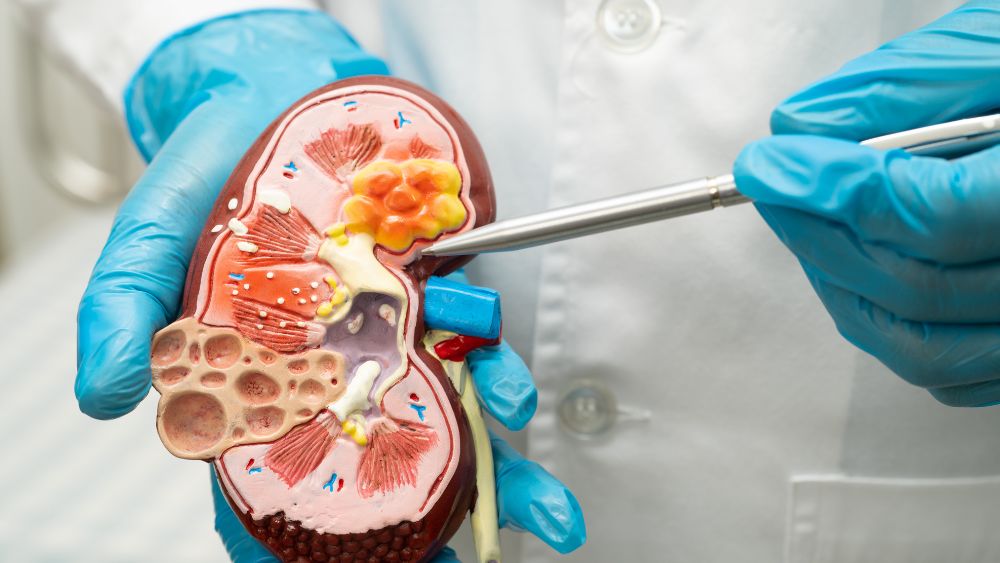
Glomerulonephritis is a condition in which the tiny filtering units inside the kidneys, called glomeruli, become inflamed. When these filters are damaged, they may allow red blood cells and protein to pass into the urine.
Other symptoms may include:
- Tea-colored or cola-colored urine
- Swelling of the face, hands, or feet
- High blood pressure
- Reduced urine output
Without proper treatment, glomerulonephritis can gradually lead to chronic kidney disease. Early diagnosis helps preserve kidney function.
5. Enlarged Prostate (Benign Prostatic Hyperplasia)
An enlarged prostate is a common condition in older men. As the prostate gland grows, it can press against the urethra and partially block the flow of urine. The increased pressure and irritation may sometimes cause blood to appear in the urine.
Other common symptoms include:
- Difficulty starting urination
- Weak urine stream
- Frequent urination, especially at night
- Feeling that the bladder is not empty
Several medications and minimally invasive procedures are available to effectively manage benign prostatic hyperplasia (BPH).
6. Genetic Disorders
Although uncommon, certain inherited conditions can cause blood in the urine by affecting the kidneys or red blood cells. These disorders often require lifelong monitoring and medical care.
Some examples include:
- Sickle Cell Disease: Abnormally shaped red blood cells can block tiny blood vessels in the kidneys, leading to bleeding.
- Alport Syndrome: This inherited condition damages the kidney's filtering membranes, allowing blood and protein to pass into the urine.
- Polycystic Kidney Disease (PKD): Fluid-filled cysts develop inside the kidneys and may occasionally rupture, causing blood in the urine.
If you have a family history of kidney disease or unexplained blood in the urine, consult a urologist for a thorough evaluation.
7. Kidney, Bladder, or Prostate Cancer
Although less common than infections or kidney stones, blood in the urine can sometimes be an early sign of cancers affecting the urinary tract. In many cases, the bleeding is painless and may appear only occasionally, making it easy to ignore.
Other warning signs may include:
- Frequent or painful urination
- Persistent pain in the lower back or pelvis
- Unexplained weight loss
- Fatigue
- Loss of appetite
Early diagnosis greatly improves treatment outcomes. If you notice painless blood in your urine, seek medical attention without delay.
8. Strenuous Exercise
Intense physical activity can occasionally cause temporary blood in the urine, a condition known as exercise-induced hematuria. It is more commonly seen after long-distance running, marathon events, heavy weightlifting, or other endurance sports.
Experts believe this may occur due to temporary dehydration, repeated impact on the bladder, or short-term changes in kidney function during strenuous exercise.
In most cases, the bleeding disappears within 24 to 48 hours with adequate rest and hydration. However, if blood in the urine persists or returns repeatedly, it should be evaluated by a urologist to rule out other medical conditions.
9. Certain Medications
Some prescription medications can increase the likelihood of blood appearing in the urine. This does not always mean the medication is causing damage, but it may make minor bleeding within the urinary tract more noticeable.
Examples include:
- Warfarin
- Aspirin
- Clopidogrel
- Apixaban
If you develop blood in your urine while taking any medication, do not stop it on your own. Speak with your doctor, who can determine whether the medication, dosage, or another underlying condition is responsible.
10. Kidney Injury
A direct injury to the kidneys caused by road accidents, falls, contact sports, or a severe blow to the back or abdomen can result in blood in the urine. The force of the injury may damage kidney tissue or blood vessels, leading to internal bleeding.
In addition to blood in the urine, symptoms may include:
- Severe pain in the back or side
- Bruising around the abdomen or back
- Dizziness or weakness
- Difficulty passing urine
Blood in the urine following an injury is a medical emergency and should be evaluated immediately.
Also Read:-
What Causes Painful Urination With Blood
When Should You See a Doctor?
While some causes of blood in the urine are mild and treatable, others require urgent medical care. You should consult a urologist as soon as possible if you notice blood in your urine, even if it occurs only once.
Seek immediate medical attention if blood in the urine is accompanied by:
- Severe back, side, or abdominal pain
- Fever and chills
- Difficulty or inability to pass urine
- Blood clots in the urine
- Persistent or recurring bleeding
- Unexplained weight loss
- Nausea or vomiting
Ignoring these symptoms may delay the diagnosis of serious conditions such as kidney disease, urinary tract obstruction, or cancer.
How Is Blood in Urine Diagnosed?

Because blood in the urine is a symptom rather than a disease, identifying the underlying cause is essential for effective treatment. After discussing your medical history and symptoms, your urologist may recommend one or more of the following tests:
- Urine routine and microscopic examination
- Urine culture to detect infection
- Blood tests to assess kidney function
- Ultrasound of the kidneys and bladder
- CT scan, if required
- Cystoscopy to examine the inside of the bladder and urethra
These investigations help determine the exact cause of hematuria and guide the most appropriate treatment plan.
Final Thoughts
Seeing blood in your urine can be frightening, but it should never be ignored. While the cause may be as simple as a urinary tract infection or temporary irritation after intense exercise, it can also be an early sign of kidney disease, urinary tract stones, prostate problems, or even cancer. Early evaluation plays a crucial role in identifying the underlying cause and starting the right treatment before complications develop.
If you notice blood in your urine, do not wait for the symptoms to disappear on their own. Consult an experienced urologist for a proper diagnosis and personalized care. For expert blood in urine treatment in Siliguri, Dr. Samarth Agarwal offers comprehensive evaluation and advanced treatment options to help you regain your urinary health with confidence.


